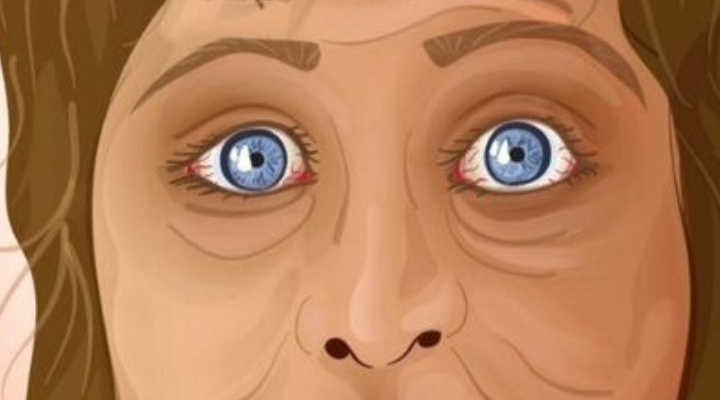
Early Warning Signs of Lupus You Should Know

Early Warning Signs of Lupus You Should Know

Lupus is a complex autoimmune disease that can mimic other illnesses, making early detection essential for effective management. In this article, we will discuss the early warning signs of lupus to help you recognize symptoms that may require medical attention. Understanding these symptoms can empower individuals to seek timely medical advice and prevent complications.

What Is Lupus?

Lupus, or systemic lupus erythematosus (SLE), is an autoimmune disorder in which the immune system mistakenly attacks the body’s tissues and organs. Numerous systems, including the skin, joints, kidneys, heart, lungs, brain, and blood cells, may be impacted by this illness. Lupus is known for its unpredictable nature, with symptoms ranging from mild to severe.

Common Early Signs of Lupus

1. Persistent Fatigue

One of the most common early symptoms of lupus is chronic fatigue. Unlike ordinary tiredness, this fatigue often does not improve with rest. It can interfere with daily activities and reduce overall quality of life. If you find yourself constantly exhausted without a clear cause, consider consulting a healthcare provider.

2. Unexplained Fever

Low-grade fevers (ranging between 99°F and 101°F) that come and go without an apparent reason could be an early sign of lupus. These fevers are often accompanied by other symptoms and should not be ignored, especially if they persist or recur frequently.

1 of 4

Similar Posts

  • How to Remove Blackheads Naturally

    Blackheads are a common skin concern that many people face, and they can be both frustrating and difficult to eliminate. These tiny black spots are caused by clogged hair follicles, and they often appear on the nose, chin, and forehead. Fortunately, there are natural methods to effectively remove blackheads without resorting to harsh chemicals or…

  • Your Nose: The First Indicator of Serious Health Concerns

    The nose is an essential part of our respiratory system and plays a critical role in detecting potential health issues. Its structure and functions can offer early warning signs of various medical conditions. In this article, we explore how changes in your nose may indicate serious health concerns and why it’s crucial to pay attention…

  • 5 Common Causes of Swollen Ankles

    Swollen ankles are a prevalent condition that can affect people of all ages and lifestyles. Swelling in the ankles, also known as edema, can range from mild discomfort to a symptom of a more serious underlying issue. It’s essential to understand the root causes of this swelling to address the condition effectively. In this article,…

  • 4 Signs You May Have Parasites in You

    Parasites are more common than many people realize, affecting millions worldwide. These unwelcome guests can silently inhabit your body, causing a variety of symptoms that often go undetected or are mistaken for other conditions. Being aware of the signs of a parasitic infection is crucial to maintaining good health. Below, we delve into the four…

  • Here’s What Happens to Your Body When You Eat Two Eggs

    Eggs have long been celebrated as a nutritional powerhouse, rich in protein, vitamins, and essential nutrients. Consuming two eggs daily can have a profound impact on your overall health, influencing various bodily functions in ways you might not expect. Let’s delve into the remarkable changes that occur in your body when you make this simple…

  • Symptoms of Vitamin B12 Deficiency That Most People Ignore

    Vitamin B12, also known as cobalamin, is a critical nutrient that plays an essential role in various bodily functions. From red blood cell formation to neurological health, Vitamin B12 is indispensable. Despite its importance, Vitamin B12 deficiency is often overlooked or misdiagnosed due to its subtle and wide-ranging symptoms. Here, we delve into the top…