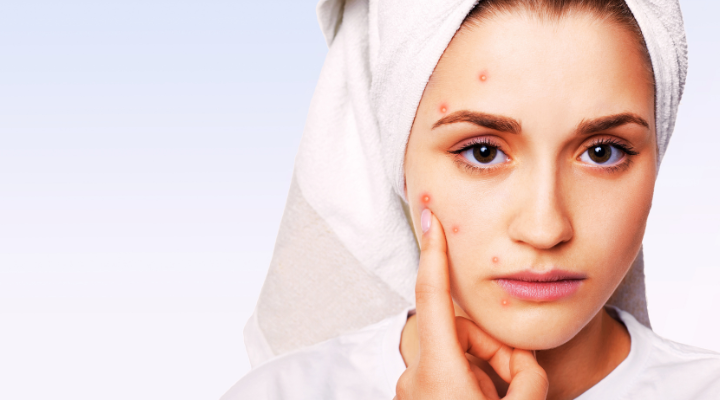
How to Remove Blackheads Naturally

How to Remove Blackheads Naturally

c. Antioxidant-Rich Foods

Eating a diet high in antioxidants, such as fruits, vegetables, and green tea, can help to protect your skin from damage and reduce the formation of blackheads. These foods help to fight free radicals, which can cause oxidative stress and lead to skin issues.

6. Lifestyle Tips: Preventing Blackheads Naturally

In addition to the natural remedies mentioned above, certain lifestyle changes can help to prevent blackheads from forming in the first place:

a. Proper Cleansing Routine

Maintaining a regular cleansing routine is crucial for preventing blackheads. Twice a day, use a mild, non-comedogenic cleanser to get rid of makeup, oil, and debris from your skin. Avoid harsh cleansers that can strip the skin of its natural oils, as this can lead to increased oil production and blackheads.

b. Avoid Overwashing

While it’s essential to keep your skin clean, overwashing can have the opposite effect by stripping your skin of its natural oils. This can cause your skin to produce more oil, leading to clogged pores and blackheads. Stick to washing your face twice a day—morning and night.

c. Use Non-Comedogenic Products

Select skincare and cosmetics products with formulations that are non-comedogenic.These products are designed not to clog pores, reducing the risk of blackheads and other acne-related issues.

Conclusion

Removing blackheads naturally requires a combination of proper skincare, natural remedies, and lifestyle adjustments. By incorporating these techniques into your daily routine, you can achieve clearer, smoother skin without the need for harsh chemicals or expensive treatments. Remember, consistency is key, and with patience, you’ll see a significant improvement in your skin’s appearance.

5 of 5

Similar Posts

  • THE WAY Each Zodiac Sign Lies

    Wassermann (20. Januar – 18. Februar): Die unkonventionelle LĂ¼ge Wassermänner sind kreativ und unkonventionell. Ihre LĂ¼gen sind oft ebenso originell wie ihre Persönlichkeit. Sie erfinden ausgeklĂ¼gelte Geschichten, die so ungewöhnlich sind, dass sie fast glaubhaft wirken. Beispiel: Ein Wassermann könnte eine komplexe Ausrede erfinden, warum er einen Termin verpasst hat, die wie ein Filmplot klingt….

  • 7 areas of the body where you can apply deodorant

    5. Inner Thighs The inner thighs can rub together, causing sweat and friction, especially in hot or humid conditions. This area is prone to chafing, which can result in discomfort and rashes. Why Deodorant on Inner Thighs? Deodorants can help minimize moisture in the inner thigh area, reducing the risk of chafing and improving comfort…

  • 5 Common Causes of Swollen Ankles

    Swollen ankles are a prevalent condition that can affect people of all ages and lifestyles. Swelling in the ankles, also known as edema, can range from mild discomfort to a symptom of a more serious underlying issue. It’s essential to understand the root causes of this swelling to address the condition effectively. In this article,…

  • 7 Bad Habits That Negatively Affect the Health of the Intimate Area

    Maintaining the health of the intimate area is essential for overall well-being, yet there are common habits many people engage in that could cause more harm than good. Understanding these bad habits and making changes can prevent discomfort, infections, and long-term issues. Below, we explore seven of the most common habits that negatively impact intimate…

  • What our sleeping position reveals about us

    8. Stargazer 9. Clinger Conclusion While these interpretations offer interesting insights, it’s important to note that they are not definitive. Individual sleeping positions can be influenced by comfort, health conditions, or even the environment. Nonetheless, the way we sleep can reflect aspects of our personality and inner feelings, providing a fascinating glimpse into our subconscious…

  • 20 WARNING SIGNS THAT CANCER IS GROWING IN YOUR BODY

    Changes in Appetite or Taste Subtle changes in appetite or taste can also be warning signs of cancer. A decreased appetite or an aversion to certain foods can be linked to gastrointestinal cancers, while changes in taste can be related to cancers affecting the mouth or throat. If these changes persist, it’s important to discuss…