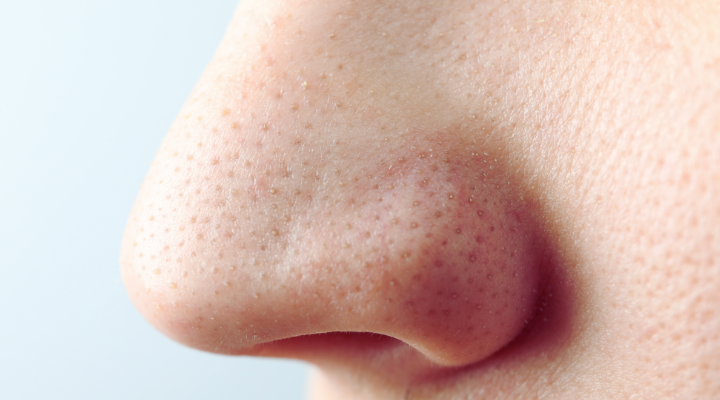
Your Nose: The First Indicator of Serious Health Concerns

Your Nose: The First Indicator of Serious Health Concerns

Frequent Nosebleeds

While occasional nosebleeds are often harmless, frequent bleeding may signal:

  • Hypertension: High blood pressure can damage nasal blood vessels.
  • Blood Disorders: Conditions like hemophilia or platelet deficiencies.
  • Tumors: Rarely, recurrent bleeding may indicate nasal or sinus tumors.

Loss of Smell

Anosmia, or loss of smell, can be caused by:

  • Respiratory Infections: Common colds or flu often temporarily reduce the sense of smell.
  • Neurological Disorders: Diseases like Parkinson’s or Alzheimer’s can impair olfactory functions.
  • COVID-19: Sudden anosmia became a hallmark symptom during the pandemic.

Warning Signs That Require Immediate Attention

Unexplained Swelling or Redness

Persistent swelling, redness, or tenderness in the nasal area can indicate:

  • Infections: Cellulitis or abscesses may develop, especially after trauma.
  • Skin Cancer: Unusual growths on or around the nose should be evaluated promptly.

Nasal Discharge with Blood

Bloody or discolored nasal discharge may be a symptom of:

  • Infections: Bacterial sinusitis or fungal infections.
  • Trauma: Injury to the nasal passages.
  • Cancer: In rare cases, nasal or paranasal tumors.

Facial Pain and Headaches
Severe or recurring pain around the nose and eyes might suggest:

  • Sinus Infections: Especially if accompanied by fever and nasal discharge.
  • Migraines: Often misinterpreted as sinus-related.
  • Neurological Issues: Disorders affecting cranial nerves can manifest as facial pain.
2 of 4

Similar Posts

  • 6 Causes of Water Retention and How to Reverse It

    2. Hormonal Changes Hormonal fluctuations, particularly during the menstrual cycle and pregnancy, can cause water retention. Estrogen and progesterone levels affect the kidneys’ ability to regulate fluid balance, leading to temporary swelling and bloating. How to Reverse It:

  • 7 areas of the body where you can apply deodorant

    3. Back Sweating on the back is common, particularly during hot weather or after exercise. The back has large sweat glands, and trapped moisture can lead to body odor. Why Use Deodorant on the Back? While not as commonly discussed as other areas, deodorizing the back can help control odor during high-activity periods or when…

  • 7 Bad Habits That Negatively Affect the Health of the Intimate Area

    Maintaining the health of the intimate area is essential for overall well-being, yet there are common habits many people engage in that could cause more harm than good. Understanding these bad habits and making changes can prevent discomfort, infections, and long-term issues. Below, we explore seven of the most common habits that negatively impact intimate…

  • 5 Common Causes of Swollen Ankles

    Swollen ankles are a prevalent condition that can affect people of all ages and lifestyles. Swelling in the ankles, also known as edema, can range from mild discomfort to a symptom of a more serious underlying issue. It’s essential to understand the root causes of this swelling to address the condition effectively. In this article,…

  • The Best 5 Exercises to Reduce Stomach Fat

    2. Bicycle Crunches A traditional abdominal workout that works the rectus abdominis and obliques is the bicycle crunch. Unlike traditional crunches, the bicycle variation engages more muscle groups, making it a superior option for those looking to reduce stomach fat. How to Perform Bicycle Crunches: Repeat this movement in a controlled manner for 3 sets…

  • Early Warning Signs of Lupus You Should Know

    3. Joint Pain and Stiffness Lupus frequently affects the joints, causing pain, swelling, and stiffness, especially in the morning. This symptom is often mistaken for arthritis. Unlike some other forms of arthritis, lupus-related joint pain may not cause permanent damage in its early stages but can progress if untreated. 4. Skin Rash or Lesions A characteristic…